
Pay Online

Teeth Cleaning Stain Removal

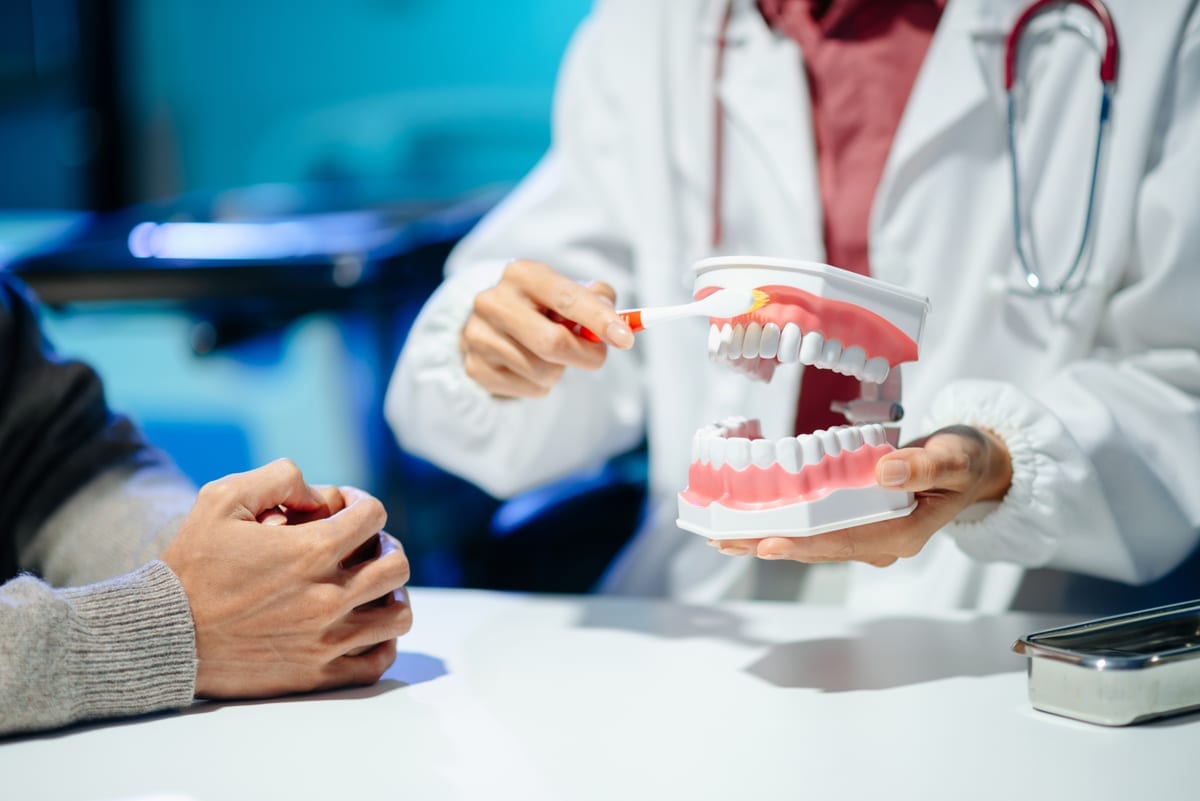
Many patients leave a dental cleaning expecting a dramatic transformation. Understanding what your teeth cleaning can—and can’t—actually remove helps you set realistic expectations. Some stains respond beautifully to a professional cleaning. Others require additional treatment to truly disappear. At Panther Creek Dental, Dr. Adesuwa Okonedo helps patients understand the difference every day.
What a Professional Teeth Cleaning Actually Does
A routine dental cleaning targets two main things: plaque and tartar. Plaque is the soft, sticky film that builds up on your teeth daily. Tartar is hardened plaque that only a dental professional can safely remove. Your hygienist uses specialized tools to carefully clear both from your tooth surfaces.
During your cleaning, your hygienist also polishes your teeth. This polishing step uses a mildly abrasive paste. It buffs away surface-level discoloration caused by everyday habits. Think coffee, tea, red wine, and light tobacco staining.
Here is what a standard cleaning can accomplish:
- Remove soft plaque buildup along the gumline
- Scale away hardened tartar deposits
- Polish away light surface stains from food and drinks
- Freshen breath by eliminating bacteria-laden buildup
- Reveal the natural whiteness hiding beneath surface debris
Most patients notice their teeth look brighter after a cleaning. This brightness comes from removing the film and debris dulling the enamel. It is not the same as whitening your teeth to a new shade. That distinction matters greatly when setting expectations.
Stains a Cleaning Can—and Can’t—Actually Remove
Not all tooth discoloration is the same. Dentists categorize stains into two types: extrinsic and intrinsic. Understanding this difference explains exactly what cleaning can and cannot accomplish for your smile.
Extrinsic stains sit on the outer surface of your enamel. These develop from pigmented foods, beverages, and tobacco products. Professional polishing during a cleaning removes many mild extrinsic stains effectively. However, deep or long-standing extrinsic stains may need whitening treatment to fully resolve.
Intrinsic stains live inside the tooth structure itself. These form from factors like aging, certain medications, fluorosis, or past dental trauma. No amount of polishing will touch intrinsic discoloration. These stains require cosmetic treatments like teeth whitening, veneers, or dental crowns.
Common stain sources and what cleaning can do:
- Coffee and tea: Light staining often clears with polishing; heavy staining may linger
- Red wine: Surface staining usually responds well to a professional cleaning
- Tobacco: Light stains may improve; heavy tobacco stains often need whitening
- Tetracycline antibiotics: Deep gray banding requires cosmetic treatment, not cleaning
- Aging and thinning enamel: Yellow tones from dentin showing through need whitening or veneers
When Teeth Whitening Becomes the Right Next Step
If your teeth still look discolored after a thorough cleaning, whitening may be the right solution. Professional teeth whitening uses peroxide-based gels to penetrate enamel. This process lifts deep staining that polishing simply cannot reach. It works on extrinsic staining that has set into the enamel over time.
Dr. Okonedo recommends completing your cleaning before whitening treatment. A clean tooth surface allows whitening agents to work more evenly and effectively. Skipping the cleaning step often leads to patchy or inconsistent results. Always start with a healthy, clean foundation.
It is worth noting that whitening does not work on dental restorations. Crowns, veneers, bonding, and fillings will not change color with whitening treatments. If you have visible restorations, your dentist can discuss alternatives like porcelain veneers to achieve a uniform result.
How Oral Health Conditions Affect What Cleaning Can Remove
Gum disease and tooth decay can complicate your cleaning results. Active gum inflammation makes cleaning more difficult and sometimes more sensitive. Patients with early gum disease may need a deeper cleaning called scaling and root planing. This goes below the gumline to address infection, not cosmetic staining.
Tooth decay can also create discoloration that resembles staining. Dark spots from cavities will not improve with polishing. These areas need restorative care like fillings or, in more advanced cases, Root Canal Therapy if decay has reached the inner pulp. Addressing decay is always the priority before any cosmetic concern.
In some cases, a tooth that previously had a root canal may darken over time. This happens when the inner tissue breaks down after treatment. If that occurs, Root Canal Retreatment combined with cosmetic solutions like a crown can restore both health and appearance. Your dentist will assess what is truly causing any discoloration before recommending a path forward.
Setting Realistic Expectations for Your Next Cleaning Visit
A professional cleaning is one of the most valuable things you can do for your oral health. It removes harmful buildup, reduces your cavity risk, and supports healthy gums. It also often leaves your smile looking noticeably cleaner and fresher. However, it is not a whitening treatment, and it will not erase all discoloration.
If you walk in hoping for a dramatic shade change, you may leave feeling disappointed. Walk in expecting a healthier, cleaner mouth instead. If you want a brighter smile beyond what cleaning provides, ask Dr. Okonedo about your whitening options. There are safe, effective treatments available to take your results further.
Being informed helps you make better decisions about your smile. Regular cleanings every six months protect your investment in any cosmetic treatment you choose. They also give your dental team the chance to catch changes in your tooth color early. That early insight can guide timely, affordable solutions.
Your smile deserves care that is both honest and effective. The team at Panther Creek Dental is here to guide you with clear, compassionate advice. Book Now to schedule your appointment with our team.
Frequently Asked Questions
Will a teeth cleaning make my teeth whiter?
A cleaning can remove surface stains and reveal the natural brightness of your enamel. However, it does not change your tooth’s actual shade. For true whitening results, a professional whitening treatment is needed after your cleaning is complete.
How often should I get a professional teeth cleaning?
Most patients benefit from a professional cleaning every six months. Some patients with gum disease or heavy buildup may need more frequent visits. Dr. Okonedo will recommend the right schedule based on your individual oral health needs.
Can cleaning remove stains caused by coffee and tea?
Light to moderate coffee and tea stains often respond well to professional polishing during a cleaning. Heavy or long-standing stains may not fully clear with cleaning alone. In those cases, teeth whitening treatment can help lift the remaining discoloration.
Why do my teeth still look yellow after a cleaning?
Yellowness after a cleaning often means the discoloration is intrinsic rather than surface-level. Intrinsic staining lives inside the tooth structure and cannot be polished away. Options like professional whitening, veneers, or crowns may be better solutions depending on the cause.
Is teeth polishing during a cleaning safe for my enamel?
Yes, professional polishing is safe when performed by a trained dental hygienist. The paste used is mildly abrasive and designed specifically for dental use. It gently buffs surface stains without damaging healthy enamel when done as part of a routine cleaning.