Pay Online

What Your Dentist Wishes You’d Do Between Visits


Most people think good dental health begins and ends in the dentist’s chair. But what your dentist wishes you’d do between appointments can make a bigger difference than any single visit. The daily habits you build at home protect your teeth, gums, and overall oral health every single day. Dr. Adesuwa Okonedo at Panther Creek Dental shares these practical, evidence-backed tips to help you get the most out of your care.
What Your Dentist Wishes You’d Do Between Appointments: Master Your Brushing Technique
Brushing twice a day sounds simple — but technique matters more than most patients realize. Many people brush too hard, too fast, or miss key areas entirely. These small errors add up to plaque buildup, gum irritation, and early decay over time.
Use a soft-bristled toothbrush and hold it at a 45-degree angle toward your gumline. Brush in small, gentle circular motions for a full two minutes. Make sure you cover the outer surfaces, inner surfaces, and chewing surfaces of every tooth.
Replace your toothbrush every three to four months. A worn-out brush cannot clean effectively, no matter how well you brush. An electric toothbrush can also improve plaque removal if you find manual brushing difficult to master.
- Use a soft-bristled toothbrush to protect enamel and gums
- Brush at a 45-degree angle to the gumline
- Spend at least two full minutes brushing
- Replace your brush every three to four months
- Consider an electric toothbrush for better results
Floss Every Day — No Exceptions
Flossing is the habit most patients skip. Your toothbrush cannot reach between teeth or just below the gumline. That gap is exactly where plaque hides and hardens into tartar. Skipping floss means leaving nearly 40% of each tooth’s surface uncleaned.
Use about 18 inches of floss and wind it around your middle fingers. Gently slide it between each tooth using a C-shape motion. Curve it around the base of each tooth and move it up and down carefully.
If traditional floss feels difficult, try floss picks, water flossers, or interdental brushes. The best flossing tool is the one you will actually use consistently. Even flossing three to four times a week is far better than not flossing at all.
Watch What You Eat and Drink Between Visits
Your diet directly shapes your oral health between every appointment. Sugary foods and acidic drinks fuel the bacteria that cause cavities and gum disease. What you eat in the hours between brushing matters just as much as your brushing routine.
Limit sugary snacks, sodas, and citrus juices throughout the day. Every time you sip a sugary drink, your teeth face an acid attack that lasts up to 30 minutes. Frequent snacking keeps that attack ongoing for hours.
Choose tooth-friendly foods that protect your enamel and support gum health instead. Crunchy vegetables and high-fiber foods stimulate saliva, which naturally neutralizes acids. Dairy products like cheese and yogurt also strengthen enamel with calcium and phosphates.
- Limit sugary snacks and beverages between meals
- Drink plenty of water, especially fluoridated tap water
- Eat crunchy vegetables like carrots and celery
- Include dairy products for enamel-strengthening calcium
- Avoid sipping sugary drinks slowly over long periods
Protect Your Teeth From Hidden Daily Risks
Brushing and flossing are foundational — but other daily habits quietly damage your teeth too. Grinding your teeth at night, for example, wears down enamel faster than almost anything else. Many patients do not even know they grind until significant damage appears.
Talk to Dr. Okonedo if you wake up with jaw soreness or frequent headaches. A custom nightguard can protect your teeth while you sleep. It is one of the simplest ways to preserve your dental work and natural teeth between visits.
Also avoid using your teeth as tools. Opening packages, biting nails, or chewing ice all create tiny cracks and chips over time. These small injuries often progress quietly into larger problems that require more significant treatment later.
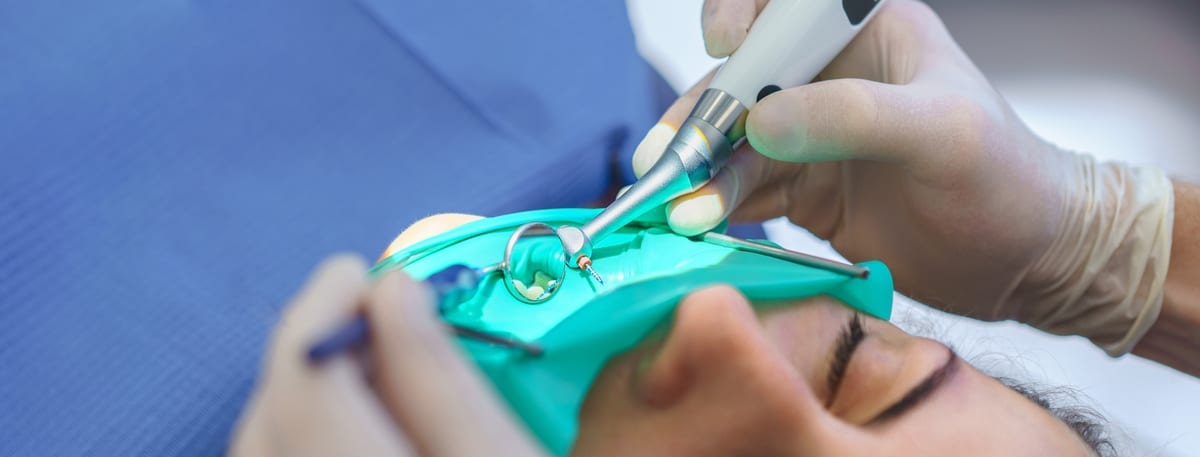
If you have ever had tooth pain that was ignored for too long, you may know how quickly a manageable issue can escalate. Untreated decay can reach the inner pulp of the tooth, sometimes requiring Root Canal Therapy to save it. In some cases where prior treatment has failed, patients may need Root Canal Retreatment to address persistent infection. Staying on top of small problems between visits helps you avoid those bigger interventions.
What Your Dentist Wishes You’d Do Between Appointments: Stay Consistent With Check-Ups
Home care is essential — but it works best alongside regular professional cleanings. Professional cleanings remove tartar that your brush and floss simply cannot touch. Skipping appointments allows problems to develop quietly between visits.
Most patients benefit from a cleaning and exam every six months. Some patients with gum disease or a history of cavities may need more frequent visits. Your dentist will recommend a schedule that fits your specific needs.
Between visits, pay attention to any changes in your mouth. Sensitivity, bleeding gums, loose teeth, or persistent bad breath all deserve prompt attention. Catching problems early almost always means simpler, less invasive treatment.
Conclusion
Taking great care of your teeth between appointments is one of the most powerful investments you can make in your overall health. Small, consistent habits — proper brushing, daily flossing, smart food choices, and protecting your teeth from hidden risks — add up to lasting results. At Panther Creek Dental, Dr. Adesuwa Okonedo and our team are here to support your oral health every step of the way. Book Now to schedule your appointment with our team.
Frequently Asked Questions
How often should I brush my teeth between dental appointments?
You should brush at least twice a day — once in the morning and once before bed. If possible, brushing after meals offers even better protection against plaque and acid buildup. Use a soft-bristled brush and gentle circular motions for a full two minutes each time.
Is flossing really necessary if I brush well?
Yes, flossing is essential. Your toothbrush cannot clean between teeth or below the gumline, which is where many cavities and gum problems start. Daily flossing removes plaque from surfaces that brushing simply cannot reach, reducing your risk of decay and gum disease significantly.
What foods should I avoid to protect my teeth between visits?
Limit sugary snacks, sodas, sports drinks, and acidic foods like citrus fruits. These fuel cavity-causing bacteria and erode tooth enamel over time. Focus on water, dairy products, vegetables, and lean proteins to support stronger teeth and healthier gums between your dental appointments.
How do I know if I am brushing correctly?
A good sign is that your gums do not bleed during or after brushing. You should also notice that your teeth feel clean and smooth after brushing. If you are unsure about your technique, ask Dr. Okonedo or a hygienist at your next cleaning — they are happy to demonstrate proper form.
Can home care replace regular dental visits?
Home care is critical, but it cannot replace professional cleanings and exams. Even perfect brushing and flossing cannot remove hardened tartar. Regular dental visits allow your dentist to catch early problems, perform deep cleanings, and keep your oral health on track in ways that home care alone cannot achieve.