Pay Online

Invisalign for Adults 40, 50, 60

Many adults believe orthodontic treatment is only for teenagers. That belief stops a lot of people from ever asking the question. But Invisalign at 40, 50, 60 — it’s never too late for straight teeth, and more adults than ever are discovering this. At Panther Creek Dental, Dr. Adesuwa Okonedo works with adults every day who finally decided to do something about their smile.
Why So Many Adults Think They’ve Missed Their Chance
This belief is completely understandable. Most of us grew up seeing braces on teenagers. Orthodontics was marketed to young people, and adults rarely saw themselves represented. That image stuck.
There’s also a common assumption that adult teeth are too set to move. In reality, teeth can shift at any age as long as the gums and bone are healthy. Age alone is not a disqualifying factor for Invisalign treatment.
Some adults feel embarrassed about wanting straighter teeth later in life. Others assume the process will be too disruptive to their careers or social lives. These concerns are worth addressing directly — because Invisalign was actually designed with busy adults in mind.
Invisalign at 40, 50, and 60: What Makes It Different for Adults
Adult orthodontics isn’t identical to teen treatment. Adults typically have fully developed jaws, which can simplify the planning process. However, adults may also have existing dental work, such as crowns, bridges, or missing teeth, that requires extra coordination.
Here’s what sets adult Invisalign apart from traditional braces:
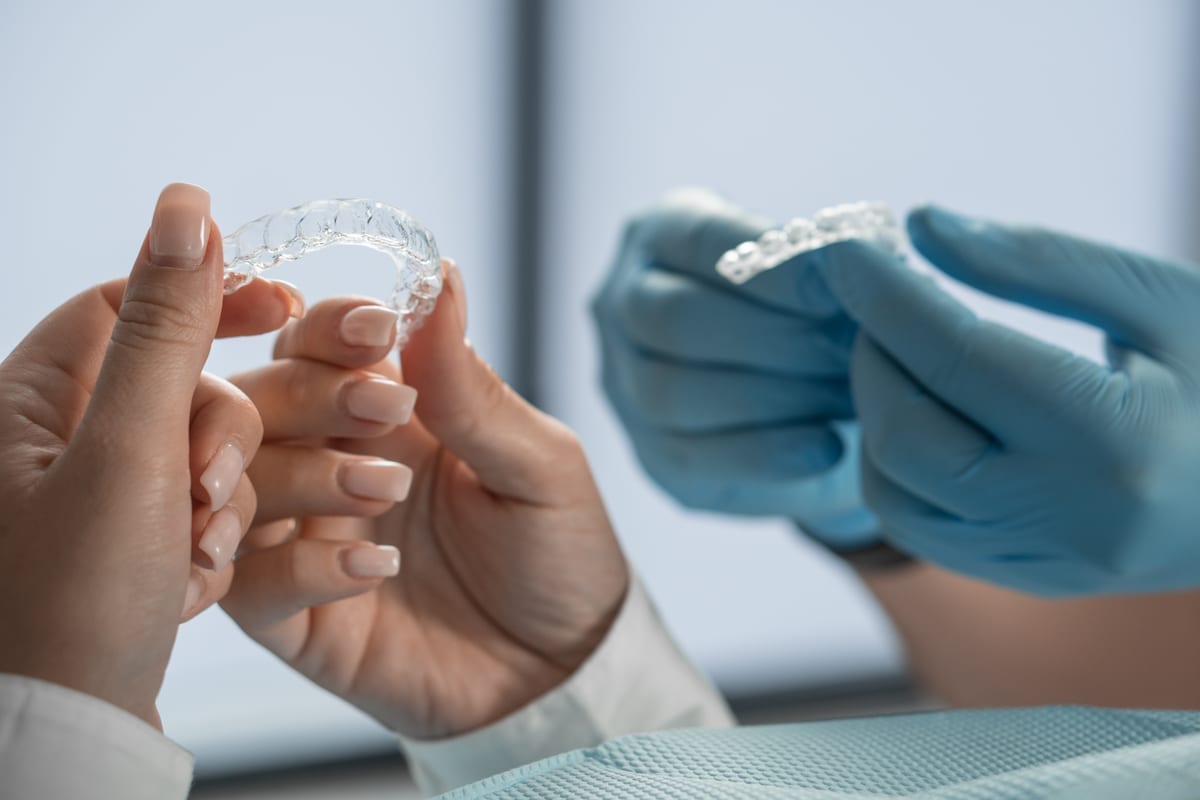
- Clear aligners are nearly invisible — no metal brackets or wires
- Aligners are removable for eating, drinking, and brushing
- No food restrictions that come with traditional braces
- Fewer emergency appointments compared to metal braces
- Custom-fitted to your mouth using digital scans — no messy impressions
- Treatment timelines are predictable and clearly communicated upfront
Adults often stick to their treatment plan more consistently than teenagers. That compliance typically leads to excellent results. Dr. Okonedo frequently sees adult patients complete treatment on or ahead of schedule.
Health Reasons to Straighten Your Teeth as an Adult
Straight teeth aren’t just about aesthetics. Misaligned teeth are harder to clean properly. Food and bacteria accumulate in crowded spaces, increasing your risk of decay and gum disease over time.
Bite problems also cause real physical discomfort. Teeth that don’t align correctly can lead to jaw pain, headaches, and uneven enamel wear. Fixing alignment reduces those risks significantly.
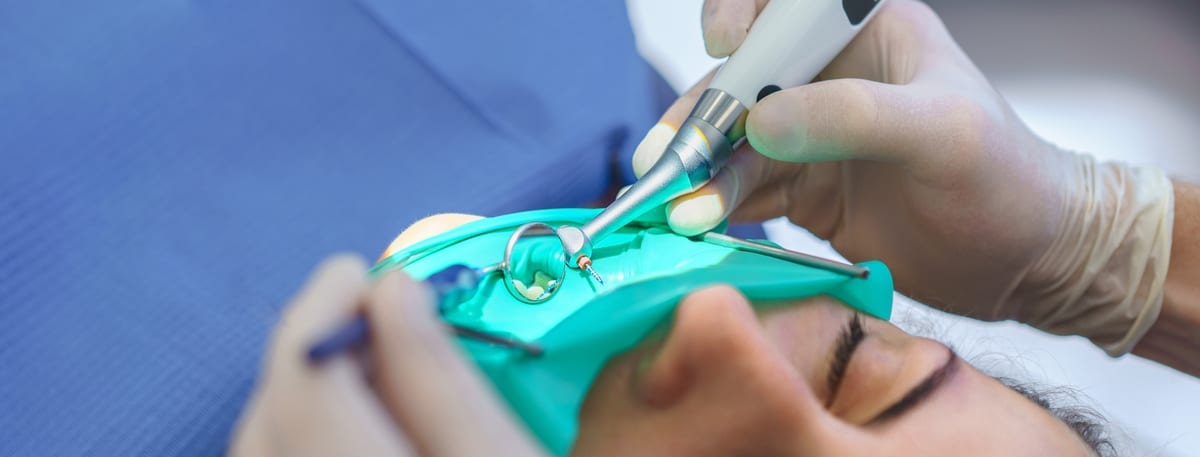
Adults are also more likely to understand the long-term value of preventive care. Investing in Invisalign now can reduce the need for more complex dental work later. That includes treatments like Root Canal Therapy or Root Canal Retreatment, which sometimes become necessary when chronic bite or hygiene issues go unaddressed.
Think of Invisalign as a proactive health decision — not just a cosmetic upgrade.
What to Expect During Adult Invisalign Treatment at Panther Creek Dental
The process starts with a thorough consultation. Dr. Okonedo reviews your teeth, gums, and bite to determine whether Invisalign is the right fit. Not everyone is a candidate, and being honest about that is part of the process.
If you’re a good candidate, here’s what the journey looks like:
- Digital scan: We take a precise 3D scan of your teeth — comfortable and quick.
- Treatment preview: You see a digital simulation of your expected results before committing.
- Aligner fabrication: Custom aligners are made specifically for your teeth.
- Wear and check-ins: You wear each set of aligners for about one to two weeks, then switch to the next set.
- Progress appointments: Regular check-ins with Dr. Okonedo ensure everything is tracking correctly.
- Retainer phase: After treatment ends, a retainer keeps your teeth in their new position.
Most adult patients finish treatment between 12 and 18 months. Some cases take less time. The timeline depends on the complexity of your alignment needs.
Common Concerns Adults Have — And the Real Answers
Adults often arrive at their consultation with specific worries. Those concerns deserve straightforward answers, not dismissal.
Will it affect my professional life? Barely, if at all. Clear aligners are nearly invisible. Most people around you won’t notice you’re wearing them unless you tell them.
Is it painful? Some mild pressure is normal when you switch to a new set of aligners. This usually fades within a day or two. It’s far more manageable than the discomfort associated with traditional metal braces.
What if I have existing dental work? Crowns, veneers, and bridges can affect treatment planning. Dr. Okonedo evaluates all existing dental work during your consultation and adjusts the plan accordingly. Invisalign can still work effectively even with prior dental restorations.
Is it worth starting at my age? Absolutely. Patients in their 60s complete Invisalign treatment and report lasting satisfaction with their results. There is no upper age limit for treatment when oral health is good.
Frequently Asked Questions
Can adults over 60 really use Invisalign?
Yes. Invisalign works for adults of any age as long as your teeth and gums are healthy enough to support tooth movement. Dr. Okonedo evaluates each patient individually to determine if Invisalign is appropriate for their specific situation.
How long does Invisalign take for adult patients?
Most adult patients complete treatment within 12 to 18 months. Mild cases may take less time. Complex alignment issues may take longer. Your treatment timeline is mapped out and shared with you before you begin.
Do I have to wear the aligners all day?
For best results, aligners should be worn 20 to 22 hours per day. You remove them to eat, drink anything other than water, and to brush and floss. Consistent wear is the key factor in staying on track with your timeline.
Will Invisalign work if I’ve had previous dental work like crowns or bridges?
Existing dental work does not automatically disqualify you from Invisalign. Dr. Okonedo reviews your dental history during your consultation and customizes your treatment plan around any previous restorations.
What happens after Invisalign treatment ends?
After your final set of aligners, you’ll wear a retainer to maintain your results. Teeth can gradually shift over time without a retainer. Dr. Okonedo will provide specific guidance on how often and how long to wear your retainer based on your case.
You’ve spent decades taking care of everyone else. Your smile deserves the same attention. Whether you’re 42 or 64, Panther Creek Dental is here to help you move forward with confidence. Book Now to schedule your appointment with our team.