Pay Online

Invisalign Retainers: Why They Matter

You’ve worn your aligners faithfully. You’ve attended every checkup. You’ve watched your smile transform week by week. Now you’re holding your final set of Invisalign trays — and you might think the hard work is done. But your Invisalign journey isn’t over: why retainers are non-negotiable is something every patient needs to understand before they stop treatment. Skipping this final phase can undo months of progress faster than you’d expect.
At Panther Creek Dental, Dr. Adesuwa Okonedo makes sure every Invisalign patient understands the full picture. Straightening teeth is only part of the story. Keeping them straight is the chapter most people overlook.
Why Your Teeth Don’t Stay Put on Their Own
Many patients assume their teeth will simply stay in their new positions after Invisalign. Unfortunately, that’s not how biology works. Teeth are held in place by a network of fibers called the periodontal ligament. These fibers have memory — they want to pull your teeth back toward where they started.
This natural tendency is called orthodontic relapse. It happens gradually and quietly. You may not notice it for months, but the shift is real. Without a retainer holding your teeth in their corrected positions, relapse is almost guaranteed over time.
The bone surrounding your teeth also needs time to fully harden around the new positions. Even after Invisalign ends, that bone is still stabilizing. A retainer gives it the time it needs to set properly.
What Happens If You Skip the Retainer Phase
Skipping your retainer doesn’t just risk minor shifting. It can reverse significant portions of your Invisalign results. Teeth can rotate, crowd, or spread apart — sometimes within just a few weeks of stopping retention.
Here’s what patients commonly experience when they skip retainers:
- Front teeth begin to crowd or overlap again
- Gaps reopen between teeth that were closed during treatment
- Bite alignment shifts back toward its original pattern
- Spacing issues return, often requiring additional treatment
- Overall smile symmetry gradually diminishes
Relapse doesn’t always look dramatic at first. But small shifts compound over time. What starts as minor movement can become a significant orthodontic problem within a year or two.
Correcting relapse often means starting Invisalign over — or pursuing other treatments. That’s a preventable outcome that a retainer could have avoided entirely.
How Long Do You Actually Need to Wear a Retainer
This is one of the most common questions Dr. Okonedo hears after Invisalign treatment. The honest answer is: retainers are a lifelong commitment for most patients. But the intensity changes significantly over time.
Here’s a general retention timeline most patients follow:
- First 3–6 months: Wear your retainer full-time, removing it only to eat and brush.
- Months 6–12: Transition to nighttime-only wear as your bone stabilizes further.
- Year 1 and beyond: Continue wearing your retainer every night or as directed by Dr. Okonedo.
- Long-term maintenance: Many patients wear retainers several nights per week indefinitely to maintain results.
Every patient’s timeline looks slightly different. Factors like age, the complexity of your original case, and how your tissues respond all play a role. Dr. Okonedo will give you a personalized retention plan based on your specific treatment.
The most important thing to remember: don’t stop wearing your retainer just because your teeth feel stable. Stability is the retainer working exactly as intended.
Types of Retainers After Invisalign
There are two main types of retainers used after Invisalign. Your dentist will recommend the best option based on your treatment results and lifestyle.
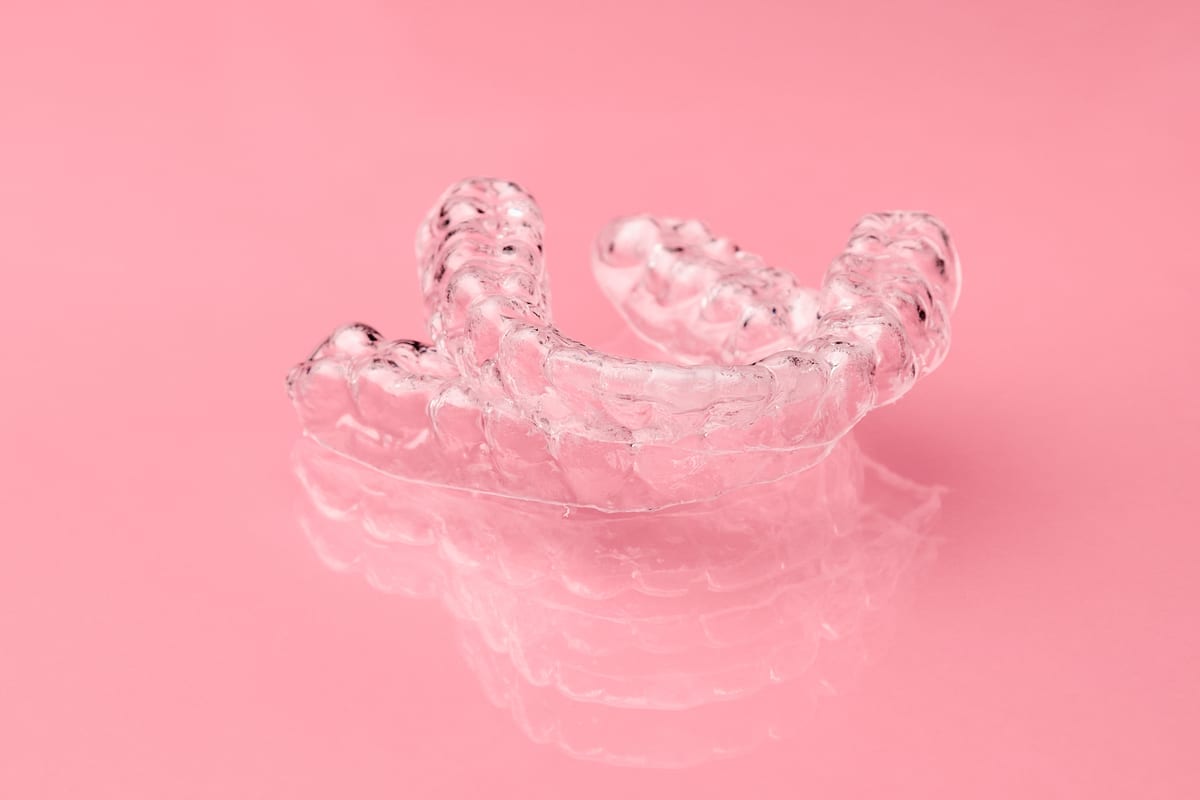
Removable clear retainers look almost identical to your Invisalign aligners. They’re comfortable, discreet, and easy to clean. Most Invisalign patients transition to this style after treatment concludes.
Fixed or bonded retainers are thin wires bonded to the back of your front teeth. You can’t remove them yourself. They work quietly in the background 24/7. Some patients prefer this option because it removes the responsibility of remembering to wear a removable device.
Benefits of clear removable retainers include:
- Easy to remove for eating and oral hygiene
- Virtually invisible when worn
- Simple to replace if lost or damaged
- Comfortable fit similar to your aligners
Some patients use both types together — a bonded wire for the lower front teeth and a clear removable retainer for the upper arch. Dr. Okonedo will walk you through your options at your final Invisalign appointment.
Caring for Your Retainer the Right Way
A retainer only works if you’re wearing it — and wearing it properly means keeping it clean and intact. Neglecting retainer care leads to bacterial buildup, odor, and premature wear.
Follow these simple habits to protect your retainer:
- Rinse your retainer with cool water every time you remove it
- Clean it daily with a soft toothbrush and mild soap or retainer cleaner
- Avoid hot water, which can warp the plastic material
- Store it in its case when not in use — never wrapped in a napkin
- Keep it away from pets, who are often attracted to the scent
Retainers do wear out over time. Clear plastic retainers typically last one to three years with proper care. If yours cracks, warps, or no longer fits snugly, contact Panther Creek Dental right away for a replacement.
Wearing a damaged retainer is worse than wearing none at all in some cases — it can push teeth in the wrong direction. Don’t delay if something feels off.
Connecting Your Full Oral Health Picture
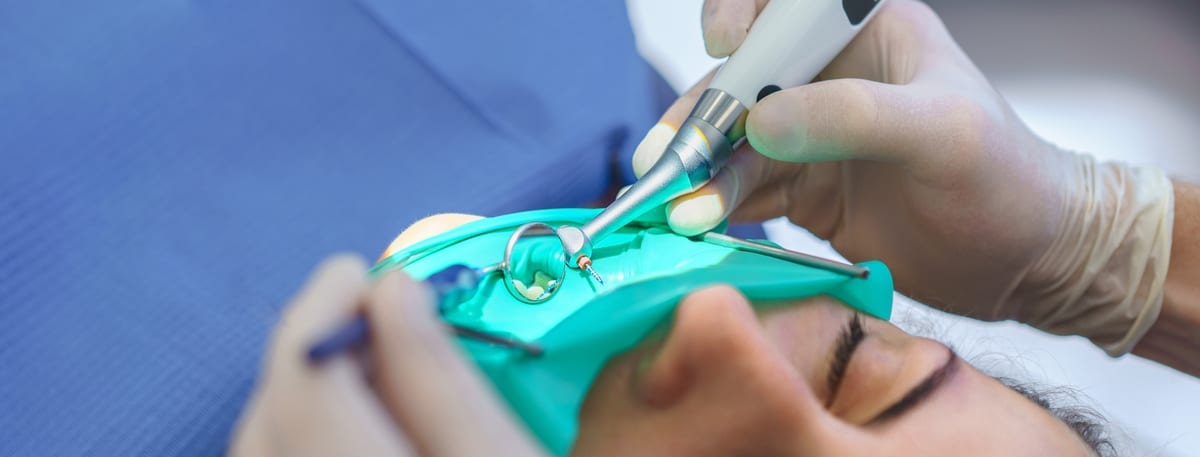
Maintaining your Invisalign results is just one part of long-term oral health. Regular checkups, cleanings, and addressing dental concerns early all contribute to a smile that lasts. If you ever need additional dental care, Panther Creek Dental offers a full range of services — including Root Canal Therapy for teeth with infection or damage, and Root Canal Retreatment when previous root canal work needs to be revisited.
Comprehensive dental care and orthodontic maintenance work hand in hand. Keeping up with both means your investment in your smile pays off for decades to come.
Your Next Step with Dr. Okonedo
Your Invisalign journey isn’t over when the aligners come off — it simply enters a new phase. Retention is the final and most lasting part of your orthodontic investment. Wearing your retainer consistently protects every week of treatment you’ve already completed.
Dr. Adesuwa Okonedo and the Panther Creek Dental team are here to guide you through every stage — from your first aligner to lifelong smile maintenance. Don’t let your results fade when a simple retainer can preserve them. Book Now to schedule your appointment with our team.
Frequently Asked Questions
How soon after Invisalign do I need to start wearing a retainer?
You should begin wearing your retainer immediately after your final Invisalign aligner. Dr. Okonedo will provide your retainer at your last treatment appointment. There should be no gap between your last aligner and your first night in a retainer.
Will I have to wear a retainer every night forever?
Most patients transition from full-time wear to nighttime-only wear after the first several months. Long-term, many people wear their retainer a few nights per week indefinitely. Dr. Okonedo will tailor a schedule based on your individual response to treatment.
What happens if I lose my retainer?
Contact Panther Creek Dental as soon as possible to order a replacement. Even a few days without your retainer can allow minor shifting, especially in the early months after Invisalign. Don’t wait and hope your teeth hold their position on their own.
Can I wear my last set of Invisalign aligners as a retainer?
Your final Invisalign trays are not designed for long-term retainer use. They wear out quickly and don’t provide the same level of retention as a purpose-made retainer. Dr. Okonedo will fit you with a proper retainer to protect your results effectively.
How do I know if my teeth have started to shift?
Common signs include your retainer feeling tighter than usual, visible crowding returning, or your bite feeling different. If your retainer no longer fits properly, that’s a strong signal that shifting has occurred. Schedule an appointment with Dr. Okonedo promptly so she can assess the situation.