Pay Online

Dental Implants for Shifting Teeth

If your teeth are shifting, you’ve waited long enough for implants — and your body is already sending you signals. Many patients delay tooth replacement for months or even years. They assume it is not urgent. But underneath the surface, your jawbone and surrounding teeth are quietly changing in ways that become harder to reverse over time.
Dr. Adesuwa Okonedo at Panther Creek Dental sees this pattern often. Patients come in describing difficulty chewing, a changed bite, or teeth that look different than they used to. These are not minor cosmetic concerns. They are warning signs that the window for easier treatment may be closing.
Why Shifting Teeth Are a Red Flag You Should Not Ignore
When you lose a tooth, the teeth on either side no longer have a neighbor to lean against. Over time, they begin to drift toward the empty space. This movement is gradual, so many people do not notice it right away.
Once teeth shift significantly, they create alignment problems throughout your entire mouth. Your bite changes. Chewing becomes uneven. Certain teeth absorb far more pressure than they were designed to handle.
These changes also affect how your jaw joints function. Uneven bite pressure can lead to jaw soreness, headaches, and increased wear on healthy enamel. Shifting teeth are not just a cosmetic issue — they signal structural changes happening in real time.
- Gaps forming between teeth that were once straight
- A noticeable tilt or lean in teeth near the missing space
- Difficulty flossing in areas that previously felt normal
- Changes in how your upper and lower teeth fit together
- Increased sensitivity in teeth near the gap
Bone Loss: The Hidden Consequence of Waiting
Your jawbone needs stimulation to stay healthy and dense. That stimulation comes from the roots of your teeth. Every time you bite or chew, those roots send pressure signals down into the bone, keeping it active.
When a tooth is missing, that section of bone receives no stimulation. Within the first year of tooth loss, the jawbone in that area can begin to shrink. Dentists call this process resorption.
Bone loss creates a compounding problem. The longer you wait, the less bone volume remains. Less bone means implant placement becomes more complex. In some cases, bone grafting becomes necessary before an implant can even be placed.
This is one of the most important reasons Dr. Okonedo encourages patients to seek evaluation sooner rather than later. Preserving bone density makes the entire implant process more straightforward and more successful.
Signs You Have Already Waited Too Long — and What to Do Now
Even if you have experienced bone loss or shifting teeth, implants are often still a viable option. But the time to act is now, not later. Here are the most common signs that the delay has gone on long enough.
- Your face looks sunken or aged around the jaw area
- You avoid certain foods because chewing is painful or difficult
- Your remaining teeth feel loose or have shifted visibly
- You notice your speech has changed slightly
- You feel self-conscious smiling or opening your mouth
- A dentist has mentioned bone loss at a recent visit
If any of these describe your situation, schedule an evaluation as soon as possible. A cone beam CT scan can assess current bone density and help determine your implant options. Many patients who believe they have missed their window are still excellent candidates for implants.
In some cases, treatments like Root Canal Therapy can save a tooth that might otherwise need extraction, reducing the risk of future bone loss. And when a tooth has already had prior root canal work that failed, Root Canal Retreatment may restore it and prevent additional tooth loss altogether.
Why Dental Implants Are the Gold Standard for Tooth Replacement
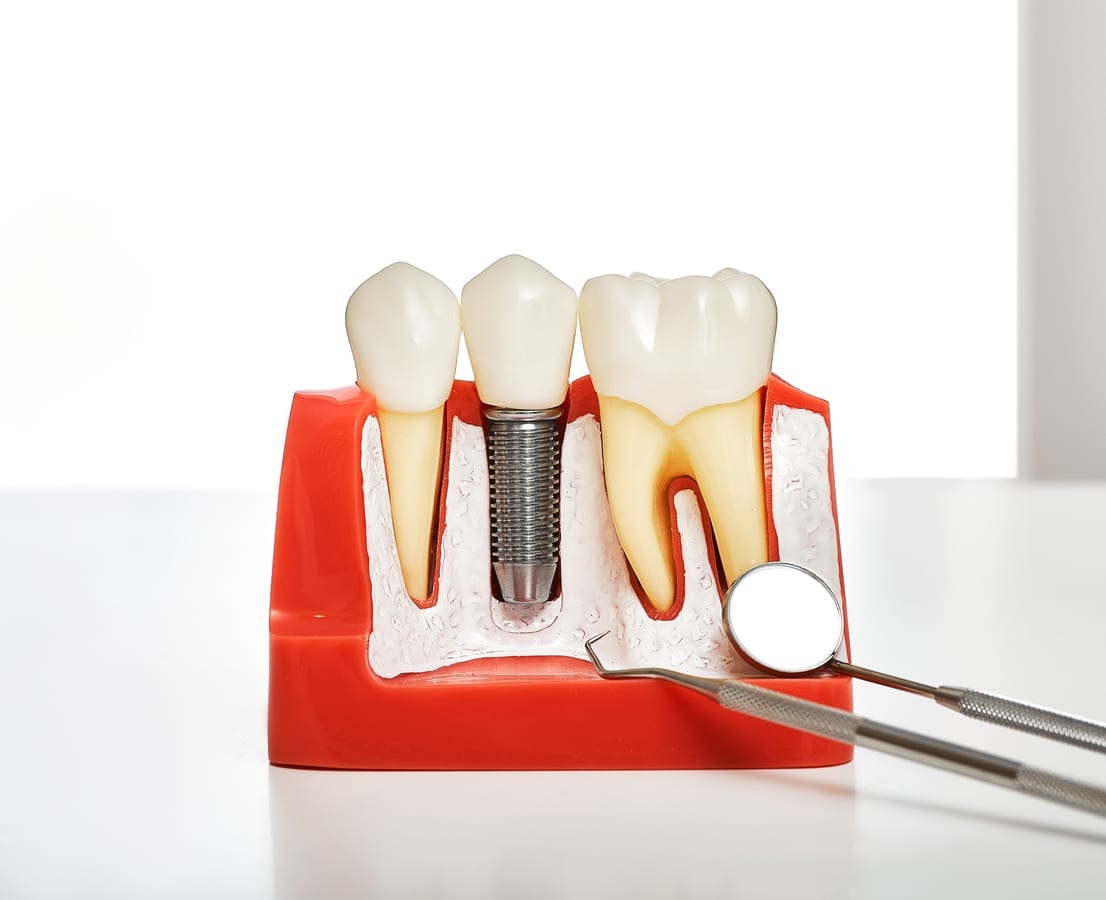
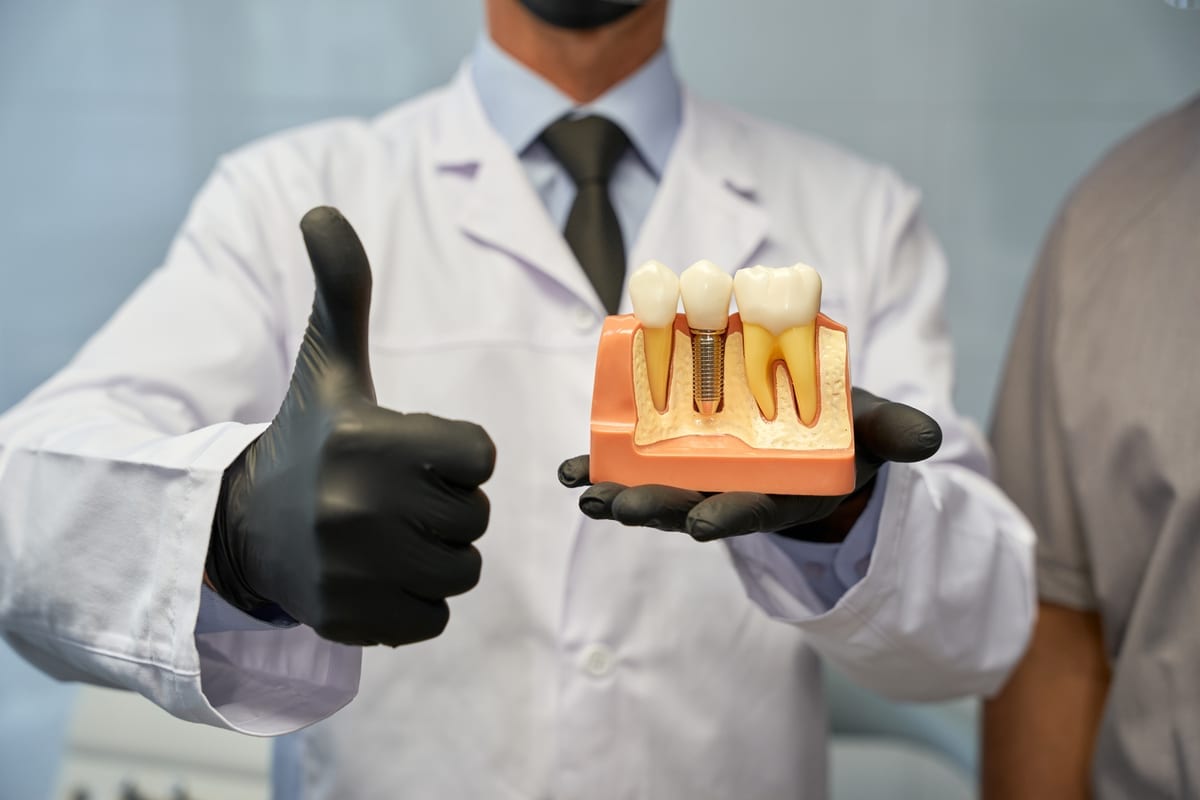
Dental implants are the only tooth replacement option that addresses bone loss directly. The titanium post acts as an artificial root. It integrates with the jawbone through a process called osseointegration, which restores the stimulation the bone needs to stay strong.
Unlike dentures or bridges, implants do not rely on neighboring teeth for support. They stand independently and protect surrounding teeth from the pressure of compensating for a missing neighbor. This makes them the most structurally sound long-term solution available.
Here is what patients at Panther Creek Dental can expect from the implant process:
- Consultation and imaging: Dr. Okonedo reviews your bone density, gum health, and overall oral condition.
- Treatment planning: A customized plan is created based on how many teeth need replacement and current bone volume.
- Implant placement: The titanium post is surgically placed into the jawbone during an in-office procedure.
- Healing period: The bone fuses with the implant over several months, creating a stable foundation.
- Crown placement: A natural-looking crown is attached, completing your restored smile.
Sedation options are available for patients who feel anxious about the procedure. Dr. Okonedo and her team prioritize comfort at every stage of treatment.
Do Not Let Another Month Go By Without an Answer
Tooth loss is not something that stabilizes on its own. Every month without replacement is another month of potential bone loss and continued tooth shifting. The good news is that most patients who come in for an evaluation leave with a clear path forward.
At Panther Creek Dental, Dr. Okonedo takes time to explain your options honestly and thoroughly. There is no pressure — just a straightforward conversation about where things stand and what steps make the most sense for your mouth and your long-term health.
Your teeth are shifting, and you have already waited long enough for implants. The first step is simply getting the information you need to move forward with confidence. Book Now to schedule your appointment with our team.
Frequently Asked Questions
How soon after tooth loss does bone loss begin?
Bone resorption can begin within the first few months after a tooth is lost. Studies suggest that up to 25% of bone width can be lost in the first year alone. This is why early evaluation is so important after losing a tooth.
Can I still get implants if I have had bone loss?
Yes, many patients with bone loss are still candidates for implants. In cases of significant bone shrinkage, a bone graft may be performed first to rebuild the necessary volume. Dr. Okonedo will assess your current bone density with imaging before recommending a treatment plan.
Are dental implants painful to get?
Most patients report that the procedure is more comfortable than they expected. Local anesthesia is used during placement, and sedation options are available for anxious patients. Some soreness is normal during the healing period, but it is typically manageable with over-the-counter pain relief.
How long do dental implants last?
With proper care, dental implants can last a lifetime. The crown attached to the implant may need replacement after 15 to 25 years due to normal wear. Brushing, flossing, and regular dental checkups help maximize implant longevity.
What happens if I keep delaying implant treatment?
Continued delay allows bone loss to progress and gives neighboring teeth more time to shift out of alignment. Over time, this can make implant placement more complex and may require additional preparatory procedures. Acting sooner generally leads to simpler treatment and better long-term outcomes.