Pay Online

Why Gums Bleed & How Cleanings Help

If your gums bleed when you brush or floss, you might dismiss it as normal. But bleeding gums are your body’s warning signal. They tell you that hidden bacteria are attacking the tissue below your gumline. Understanding why your gums bleed — and the hidden bacteria professional cleaning removes — can literally save your smile and your overall health.
At Panther Creek Dental, Dr. Adesuwa Okonedo sees this pattern every day. Patients come in surprised to learn that bleeding gums are not caused by brushing too hard. The real culprit lives in the plaque and tartar your toothbrush simply cannot reach.
What Actually Causes Bleeding Gums?
Your mouth contains hundreds of bacterial species. Most are harmless or even helpful. But certain harmful bacteria thrive in the warm, dark space between your teeth and gums — called the sulcus.
When plaque builds up along the gumline, these bacteria release toxins. Your immune system responds with inflammation. That inflammation is what makes your gums red, swollen, and prone to bleeding.
This early stage is called gingivitis. It is fully reversible with proper care. Left untreated, though, it progresses into periodontitis — a serious infection that destroys bone and tissue.
- Plaque: A sticky film of bacteria that forms daily on teeth surfaces
- Tartar (calculus): Hardened plaque that only a dental professional can remove
- Toxins: Chemicals released by bacteria that trigger gum inflammation
- Immune response: Your body’s reaction that causes swelling and bleeding
The Hidden Bacteria Professional Cleaning Removes Below the Gumline
Brushing and flossing clean above the gumline fairly well. But bacteria colonize the sulcus — the pocket between tooth and gum — where your brush bristles cannot reach. Over time, these colonies harden into tartar.
Tartar is porous and rough. It gives bacteria an ideal surface to multiply rapidly. The longer tartar stays, the deeper bacteria can migrate below the gumline.
Professional cleaning uses specialized instruments called scalers and curettes. These tools reach below the gumline to physically dislodge tartar and disrupt the bacterial colonies living there. This process interrupts the cycle of infection before it causes permanent damage.
During a deeper cleaning — called scaling and root planing — your hygienist also smooths the root surface. A smooth root gives bacteria fewer places to cling and makes it harder for infection to return quickly.
How Gum Disease Connects to Your Whole Body
The bacteria responsible for gum disease do not stay in your mouth. Research has linked periodontal bacteria to serious systemic conditions. These include heart disease, diabetes complications, respiratory issues, and adverse pregnancy outcomes.
The connection works in both directions. Uncontrolled blood sugar creates an environment where oral bacteria thrive. In turn, gum infection makes blood sugar harder to manage. Breaking that cycle starts with controlling the bacterial load in your mouth.
Professional cleanings reduce the total bacterial burden significantly. They also give Dr. Okonedo the chance to spot early signs of systemic concerns during your oral exam. Your mouth is a window into your overall health.
- Heart disease risk is elevated in patients with untreated gum disease
- Diabetics with periodontal disease face worse glycemic control
- Gum bacteria have been found in arterial plaque
- Pregnant patients with gum disease face higher risk of preterm birth
- Respiratory bacteria can originate from oral pathogens
What Happens During a Professional Teeth Cleaning
Many patients feel anxious before a cleaning. Knowing exactly what to expect makes the experience far less intimidating. A standard prophylaxis appointment typically follows a clear sequence.
Your hygienist begins with a visual exam and may take X-rays. They then use a scaler to remove tartar from above and just below the gumline. An ultrasonic tool may also be used to vibrate stubborn deposits loose.
Next, they polish your teeth using a mildly abrasive paste. This removes surface stains and leaves teeth less sticky so plaque forms more slowly. Finally, your hygienist flosses between each tooth and may apply a fluoride treatment.
For patients with active gum disease, a deeper scaling and root planing procedure is recommended. This goes further below the gumline and may be done in quadrants over multiple visits. Dr. Okonedo may also discuss whether additional treatment — such as Root Canal Therapy — is needed if infection has spread deeper into the tooth structure.
How Often Should You Schedule a Professional Cleaning?
For patients with healthy gums, twice-yearly cleanings are the standard recommendation. These visits remove the tartar that accumulates between appointments and reset the bacterial environment in your mouth.
Patients with a history of gum disease often need more frequent visits — typically every three to four months. This schedule is called periodontal maintenance. It keeps bacterial colonies from re-establishing between appointments.
Your specific frequency depends on factors like your immune response, genetics, smoking history, and how effectively you clean at home. Dr. Okonedo will recommend the right interval based on your individual risk profile.
If you have had a previous infection that required additional care — including procedures like Root Canal Retreatment — staying current with cleanings becomes even more important. Regular maintenance helps prevent further bacterial complications.
Simple Habits That Support Your Gum Health Between Visits
Professional cleanings do the heavy lifting, but daily habits determine how quickly bacteria rebuild. A consistent home care routine dramatically extends the benefits of each cleaning appointment.
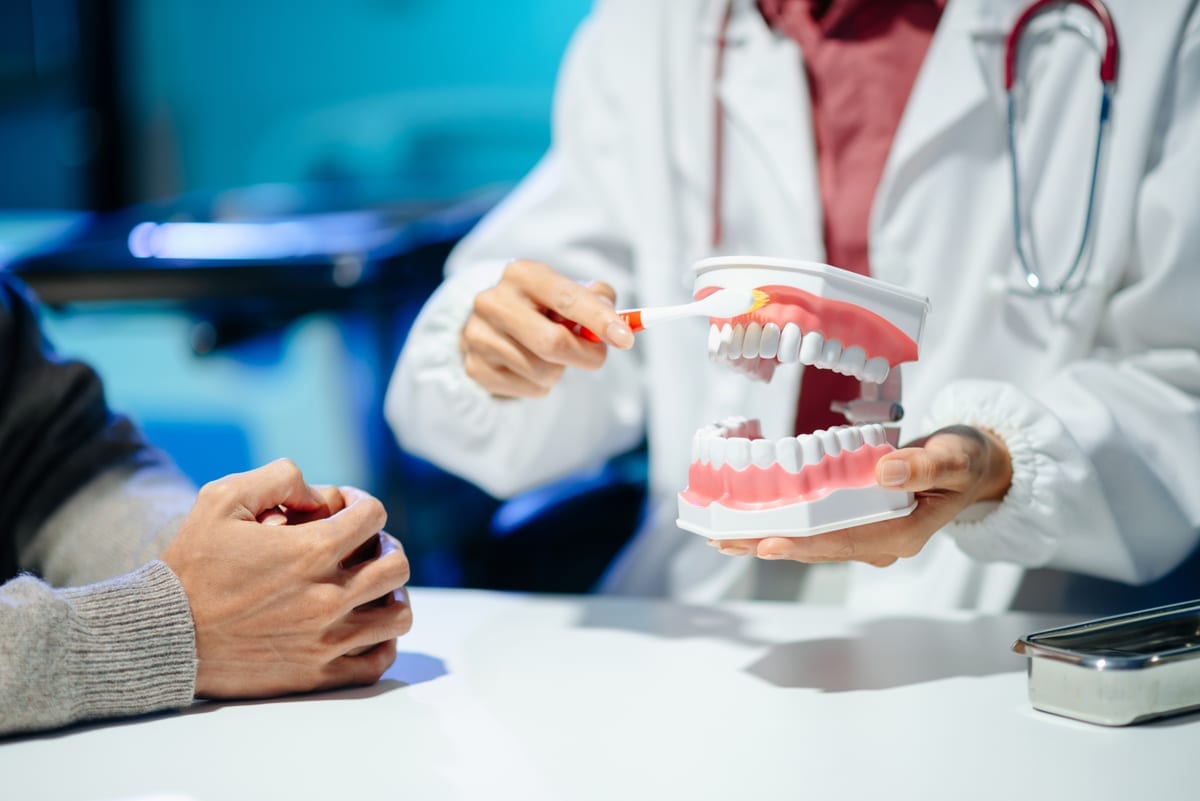
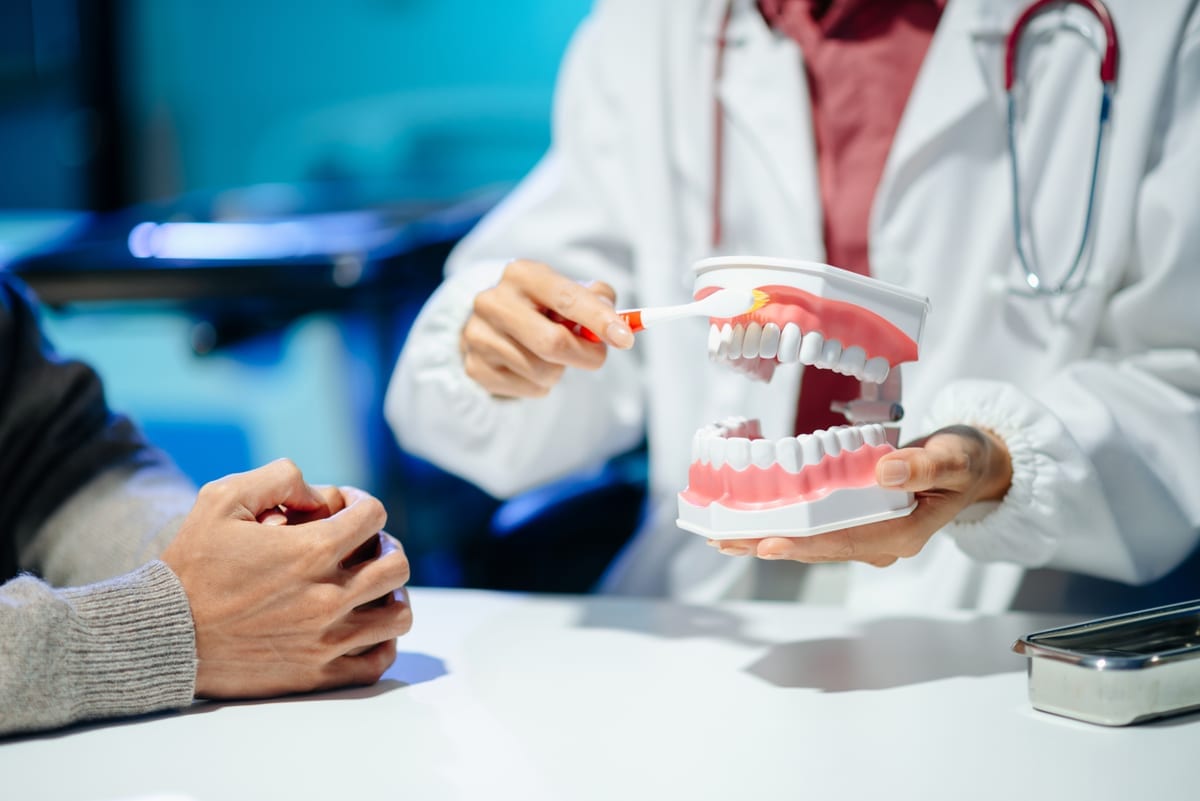
Brush at least twice daily using a soft-bristled toothbrush and fluoride toothpaste. Hold the brush at a 45-degree angle to clean along the gumline — not just the tooth surface. Gentle circular motions work better than aggressive scrubbing.
Floss once daily to disrupt the bacterial communities between teeth. If traditional floss frustrates you, try a water flosser or interdental brushes. The goal is consistent disruption of plaque before it hardens.
Staying hydrated, limiting sugary snacks, and avoiding tobacco all reduce the bacterial load in your mouth significantly. Small daily choices compound over time into meaningfully better gum health.
Conclusion: Stop the Cycle Before It Starts
Bleeding gums are not a minor annoyance. They are a sign that bacteria below your gumline have triggered an inflammatory response your body is struggling to control. The good news is that professional cleaning directly interrupts that cycle. At Panther Creek Dental, Dr. Adesuwa Okonedo and her team are committed to giving you the tools and treatments to protect your gums for life. Book Now to schedule your appointment with our team.
Frequently Asked Questions
Is it normal for gums to bleed when I brush?
Occasional bleeding is common, but it is not normal or healthy. Bleeding gums almost always signal inflammation caused by bacterial buildup at the gumline. It is worth mentioning to your dentist at your next visit so they can assess whether gingivitis or early gum disease is present.
Can bleeding gums be reversed with professional cleaning alone?
In the early stage — gingivitis — yes. A thorough professional cleaning combined with improved home care can fully reverse gingivitis. If the disease has advanced to periodontitis and bone loss has occurred, treatment can control the condition but cannot restore lost bone without additional procedures.
How long after a cleaning will my gums stop bleeding?
Most patients notice significant improvement within one to two weeks of a professional cleaning. Your gums need time to reduce inflammation after the bacterial irritants are removed. Consistent brushing and flossing during that period speeds up the healing process considerably.
Does a deeper cleaning (scaling and root planing) hurt?
Your hygienist or dentist will use local anesthetic to keep you comfortable during scaling and root planing. Some sensitivity in the days following the procedure is normal. Over-the-counter pain relievers and a soft diet usually manage any discomfort effectively.
How do I know if I need a regular cleaning or a deeper cleaning?
Your dentist measures the depth of the pockets between your teeth and gums using a small probe. Pocket depths of 1–3 mm are generally healthy. Depths of 4 mm or more indicate that bacteria have migrated below the gumline and a deeper cleaning is likely needed to address the infection properly.