Pay Online

How to Protect Your Tooth After a Root Canal: Tips for a Healthy Smile

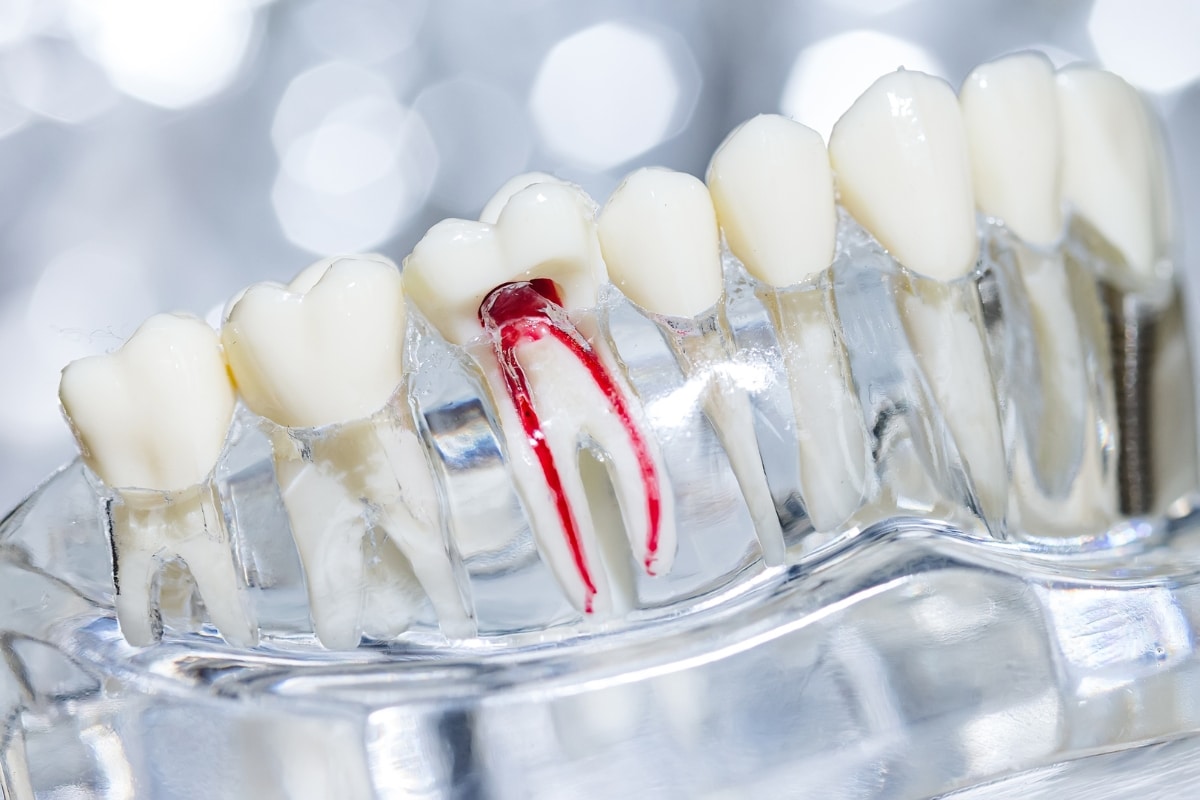
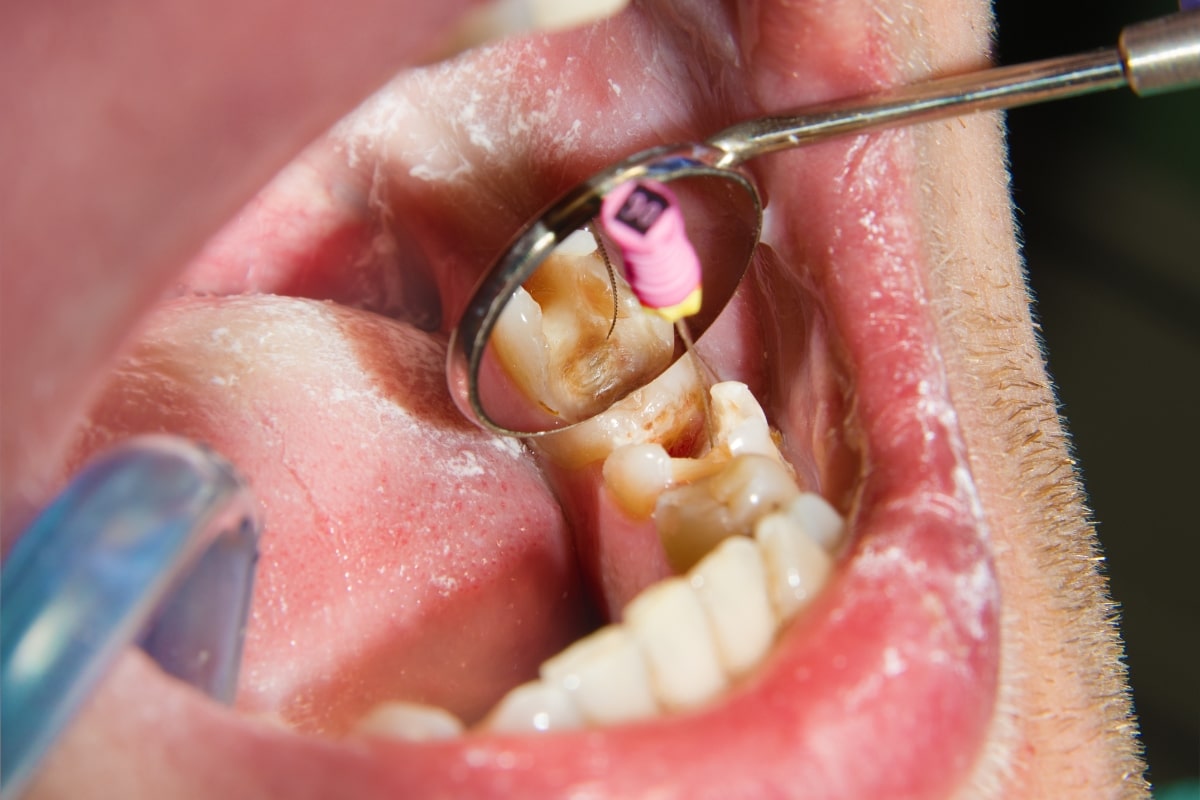
A root canal is a dental treatment that may save an otherwise decayed or infected tooth. However, having the procedure done will not mean that your tooth will remain healthy for the rest of your life. Post-root canal treatment care is crucial for maintaining your tooth and ensuring long-term success. Let’s dive into some steps in caring for oral health after a root canal.
Why It’s Important to Protect Your Tooth after a Root Canal
A root canal removes the infected tissue inside your tooth, cleans out the area, and then seals it. While usually successful in ridding pain and saving the tooth, the treatment can sometimes leave the tooth a little weaker. If not well cared for and protected, the tooth may be more at risk of further damage or reinfection of the interior space. Caring for your tooth after root canal treatment helps ensure its longevity and keeps your smile and overall oral health safe.
Tips to Protect Your Tooth After a Root Canal
1. Follow any post-procedure instructions carefully
Your dentist will provide you with a list of post-operative instructions, which may include medication, dietary recommendations, and oral hygiene recommendations. These should be strictly followed to avoid complications, including infection or pain.
- Avoid chewing on the treated side for the first few days to keep undue pressure off the healing tooth.
- Take all prescribed antibiotics to prevent infection.
2. Practice Gentle Oral Hygiene
Following a root canal, good oral hygiene is vital to keep your tooth and gums healthy. Be gentle around the area until it’s fully healed.
- Brush your teeth gently using a soft-bristle toothbrush.
- Floss carefully around the treated tooth, avoiding the immediate area if it’s still sensitive.
- Use an antimicrobial mouthwash to reduce bacteria and keep the area clean.
3. Avoid Hard or Sticky Foods
Avoid hard, sticky, or crunchy foods for at least a few days after your root canal. These can put added stress on your tooth, which can cause it to crack or even dislodge.
- Opt for softer options such as mashed potatoes, yogurt, or soup.
- Avoid chewing hard candies, ice, or sticky foods such as caramel.
4. Get a Crown ASAP
In many cases, a dental crown is necessary to properly restore the strength and cosmetic appearance of your tooth following a root canal. Crowns protect your tooth from damage and help it function normally. If you haven’t had your crown placed right after the procedure, it’s best to schedule the placement at the earliest opportunity.
5. Attend Follow-Up Appointments
Follow-up dental visits are required to check on the healing process. The dentist, by such follow-ups, ensures that there’s no development of reinfections or complications. Early follow-up contributes to healthy oral hygiene and prevents further deterioration of conditions.
6. Look For Signs Of Problems
Following a root canal, signs of a problem include lingering pain, swelling, or a bad taste in your mouth. You need to see your dentist right away if you are experiencing any of these symptoms.
- Pain or discomfort not relieved by over-the-counter pain medicines may be a sign of a problem.
- Swelling around the treated tooth could indicate an infection.
If you are having any problems with recovery, seek help as soon as possible if you are in or near Frisco and need a root canal.
Why is it worth the effort to protect your tooth?
Proper care for your tooth after treatment will not only prevent future dental problems but will also avoid costly replacements. If properly cared for, a root canal can last for many years, thereby preserving your natural tooth and preventing the need for further dental work, such as extraction or implants. Protecting your oral health ensures that you will continue enjoying the benefits of your restored tooth for years to come.
Success with root canal treatments depends on proper post-operative care and follow-up. By following these steps, from good hygiene and soft foods to getting a crown, you can protect your tooth and maintain that beautiful smile for many years to come.
Don’t treat this vital dental procedure as a one-time fix; take the necessary steps to protect your oral health. For further information about root canals or to schedule an appointment, please contact Panther Creek Dental at your earliest convenience. We are here to support you at every step on the road to protecting your oral health.
Frequently Asked Questions (FAQs)
1. How long does it take to recover from a root canal?
Recovery time after a root canal can vary depending on the procedure’s complexity, but most people recover within a few days. You may experience some discomfort or swelling, but these symptoms should subside with time and care.
2. Can I eat normally after a root canal?
It’s recommended to avoid chewing on the treated tooth for a few days to allow it to heal. Once a crown is placed, you can resume regular eating habits, but continue to avoid hard or sticky foods.
3. How soon should I get a crown after my root canal?
It’s best to get a crown placed as soon as possible after your root canal to protect the tooth from damage and ensure its full functionality. Delaying crown placement can lead to complications.
4. What should I do if I experience pain after my root canal?
Some discomfort is normal after a root canal, but persistent or severe pain could indicate an infection. Contact your dentist if the pain doesn’t subside or if you notice any swelling or a bad taste.
5. How can I prevent reinfection after a root canal?
To avoid reinfection, follow your dentist’s aftercare instructions carefully, maintain good oral hygiene, and schedule regular follow-up visits. If you experience any unusual symptoms, contact your dentist promptly.