Pay Online

Can you eat normally with a dental implants?

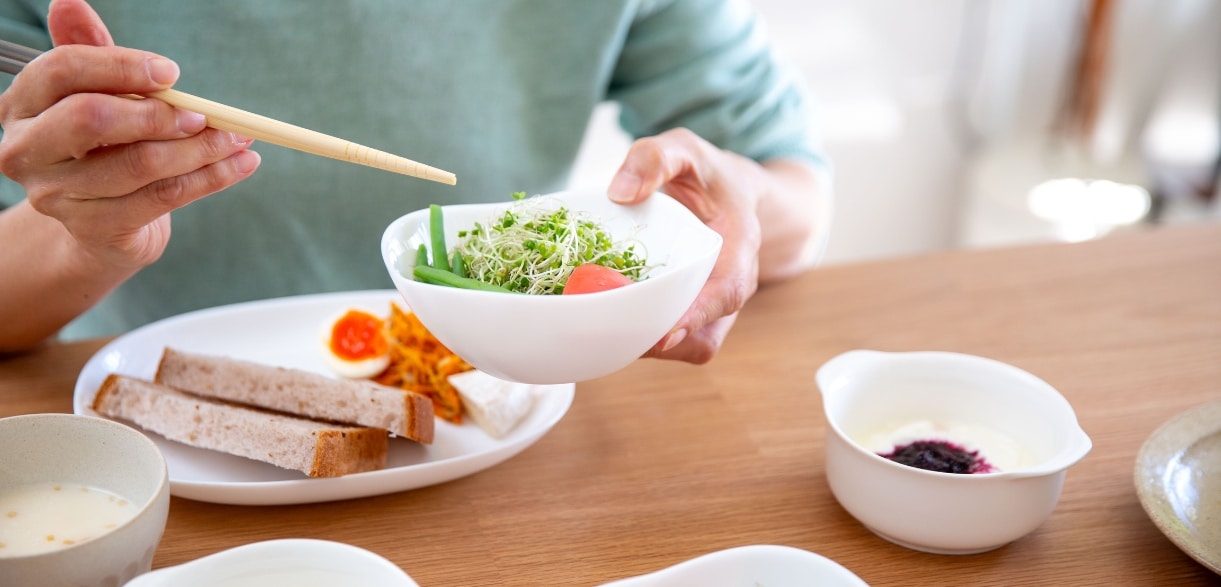
Ever wondered if getting a dental implant means giving up your favorite foods? It’s a common question—and a valid one. After all, dental implants are a significant investment in your oral health and lifestyle. If you’re considering this popular tooth replacement option, you probably want to know how it affects everyday activities—like eating.
The good news? Dental implants are designed to mimic natural teeth in both function and feel. But the journey to eating normally involves a few stages. Let’s explore what you can expect before biting into that crunchy apple again.
What Happens After Getting a Dental Implant?
Immediately after the procedure, your mouth needs time to heal. This healing process is essential for osseointegration—a fancy term that means the implant is bonding securely to your jawbone. During this period, a dentist will recommend diet modifications to protect the implant site and promote recovery.
The Healing Timeline and Eating Stages
Here’s a general timeline of when and what you can eat after getting a dental implant:
First 24–48 Hours
- Stick to liquids like Smoothies, broths, and protein shakes.
- Avoid hot, spicy, or carbonated drinks.
- Do not chew near the implant site.
Week 1
- Soft foods only such as mashed potatoes, oatmeal, scrambled eggs.
- No crunchy or chewy foods.
- Rinse gently after meals to avoid infection.
Weeks 2–6
- Gradually introduce more texture.
- Continue to avoid hard or sticky foods.
- Chew on the opposite side if needed.
After Osseointegration (3–6 months)
- Eat normally with confidence.
- Implant functions like a natural tooth.
- Enjoy foods you may have avoided before.
According to the American Academy of Implant Dentistry, over 3 million people in the U.S. have dental implants—and that number is growing by 500,000 every year. A large percentage report regaining full chewing ability within a few months after the procedure.
Why Dental Implants Feel So Natural
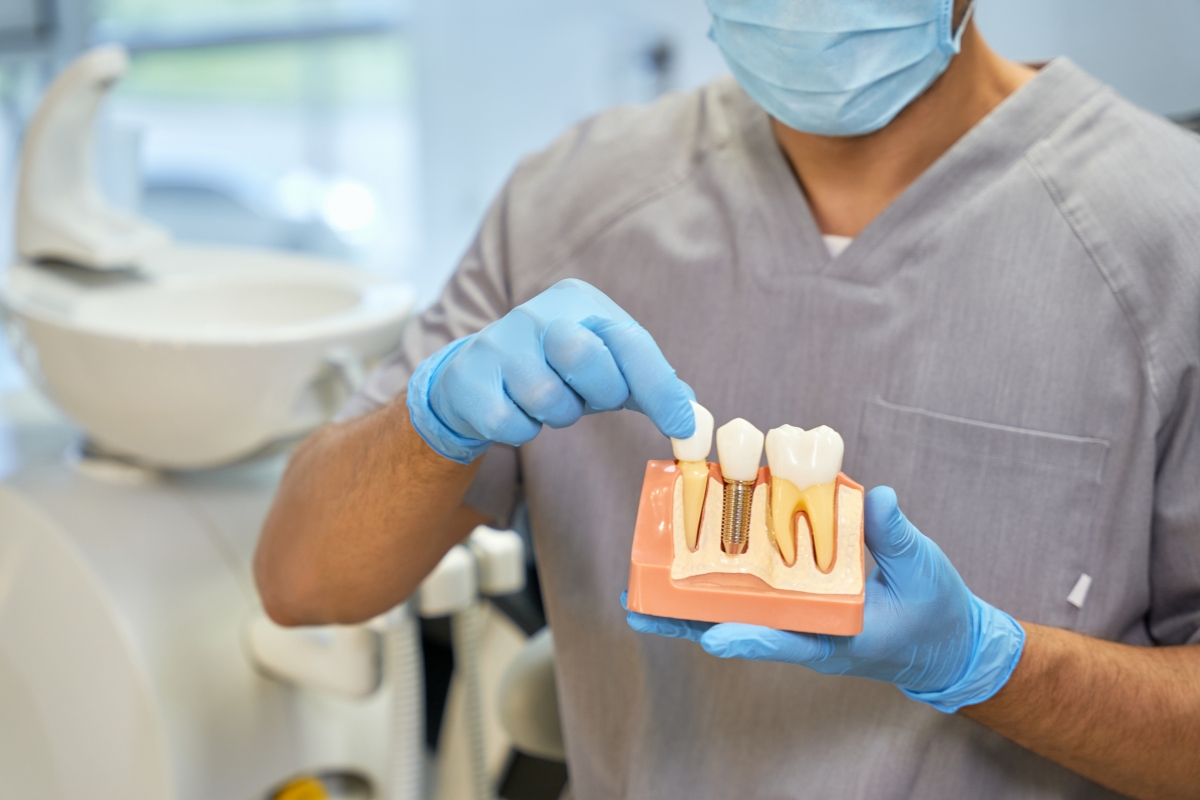
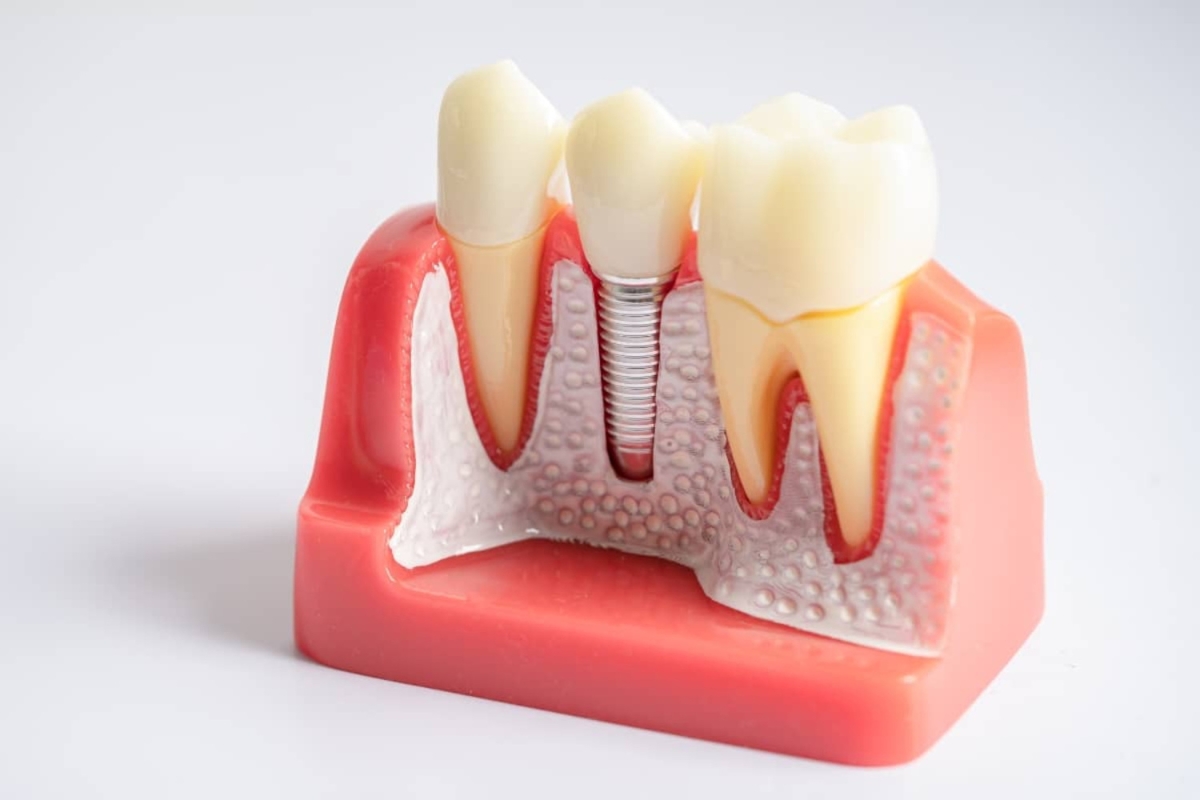
Dental implants in Frisco, TX, are anchored directly into the jawbone, much like the roots of natural teeth. This design provides unmatched stability, making it easier to chew, speak, and smile with confidence.
Benefits of eating with them:
- Improved bite force compared to dentures or bridges.
- No dietary restrictions once healed.
- No slipping or movement while chewing.
- Preserves jawbone by providing necessary stimulation.
Foods To Avoid Even After Healing
While implants allow a return to normal eating, it’s still wise to be cautious with certain items:
- Hard candies or ice (risk of cracking the crown).
- Sticky candies like caramel or taffy.
- Overly tough meats (can put stress on the implant).
- Excessive alcohol (slows healing and affects oral health).
Tips for Long-Term Implant Success
Maintaining your implant is just as important as the initial healing. Here’s how to keep it functioning beautifully:
- Brush and floss daily just like natural teeth.
- Visit a dentist regularly for cleanings and exams.
- Wear a mouthguard if you grind your teeth.
- Avoid biting directly into hard foods with front implants.
Yes, You Can Eat Normally With Dental Implants!
The journey back to normal eating takes patience, but it’s well worth it. Once fully healed, your dental implant will feel and function like a real tooth—giving you the freedom to enjoy your favorite foods again without worry.
Thinking about getting a dental implant? Talk to our dentist about what to expect during recovery, and you’ll be one step closer to reclaiming your smile—and your plate.